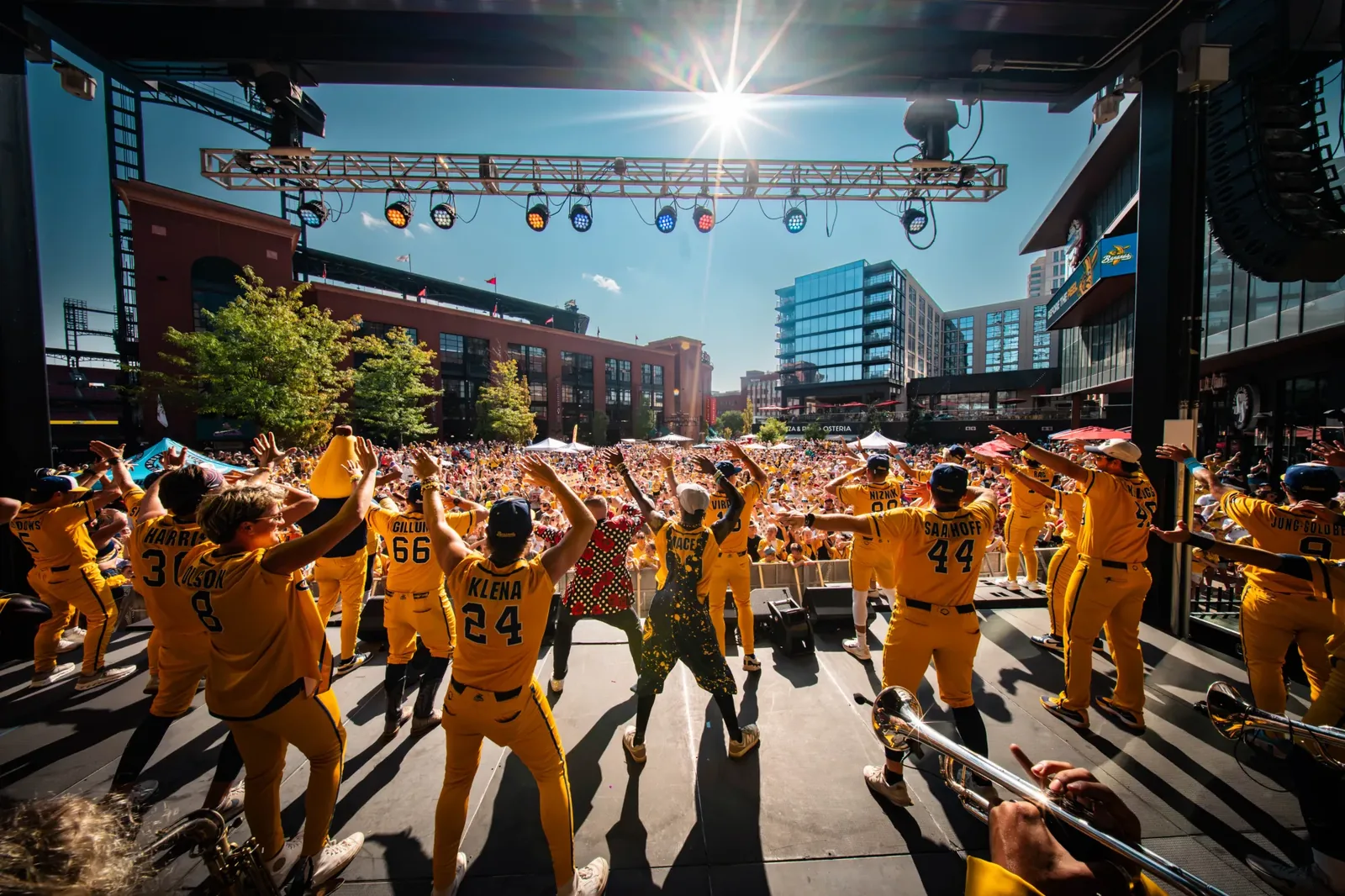
The 2027 Banana Ball Player Draft is scheduled for Wednesday, October 28, 2026, at 7 p.m. Eastern. Fan Franchise voting has already closed, and the league has directed supporters to its official social accounts for fan and coach announcements. The draft builds next season's teams; it is separate from buying tickets or selecting a game. As of October 28 before the broadcast, this guide explains the confirmed timetable, the reported fan picks and how to interpret roster announcements. It does not treat tonight's draft as completed. Start with a simple distinction: a fan selection, a coach announcement and a finished team roster describe different stages. Understanding those stages makes it easier to follow a favorite player without mistaking every missing name for a departure.
When is the 2027 Banana Ball draft?
The official draft announcement sets the start at 7 p.m. ET on October 28. Use the date as well as the hour when watching from overseas: the same broadcast begins the following morning in China. These are conversions of the announced start, rather than separate regional events.
| Location | Scheduled start |
|---|---|
| Eastern United States | October 28, 7 p.m. |
| Central United States | October 28, 6 p.m. |
| Mountain United States | October 28, 5 p.m. |
| Pacific United States | October 28, 4 p.m. |
| Beijing | October 29, 7 a.m. |
For a viewing reminder, save the official draft page and check its current broadcast instructions shortly before the start. An old schedule screenshot may correctly show the event date while omitting a later viewing link. The league says the event will be streamed; that announcement does not by itself establish a television channel, a paid subscription requirement or an archived replay schedule.
Why a 2027 draft happens in October 2026
The year in the event's name identifies the season being assembled. It does not move draft night into 2027. This matters when searching video archives: adding only “2026 draft” may send you to the process that built the previous season instead. Include both “2027 Player Draft” and “October 28, 2026” when looking for the correct announcement.
It also helps to separate this event from the earlier city and schedule reveal. Knowing which cities host games answers where the tour goes. Knowing which players belong to each team answers who could take part. A family can have a preferred city before the roster is settled, but the two decisions should be checked separately before making a player-specific trip.
Fan Franchise picks: what fans have already decided
Fan Franchise voting is the supporters' selection stage. For readers catching up after the ballot closed, The Prospect Times reported these six selections on October 23, with its report updated October 25. They are fan selections reported before draft night, rather than a list of the full squads.
| Team | Reported Fan Franchise selection |
|---|---|
| Savannah Bananas | Jackson Olson |
| Party Animals | Tanner Thomas |
| Firefighters | Noah Bridges |
| Texas Tailgaters | Kyle Martin |
| Loco Beach Coconuts | Dalton Mauldin |
| Indianapolis Clowns | Jackie Bradley Jr. |
The league's draft page now says voting is closed and points to its official social accounts for announcements. If you are checking an individual name, look for the announcement attached to the appropriate team and selection stage. A circulating graphic with six players can answer the fan-selection question while saying very little about the rest of the roster.

Why missing the fan pick does not mean leaving the league
The process includes coach announcements and a draft as well as a fan vote. A player absent from a six-name fan-selection graphic therefore has not automatically disappeared from the upcoming season. Before posting that a favorite has been released, identify which stage the image covers and check for a later announcement.
For example, imagine a supporter sees only the fan-choice post for their team and does not find a favorite pitcher. That image answers who won the fan-selection place. It does not answer whether the pitcher was included in a coach announcement, is awaiting another stage or has a different confirmed status. The useful next step is to find the relevant roster announcement, rather than draw a career conclusion from an incomplete list.
What the vote can and cannot tell you
A fan selection shows who emerged from that particular process. It does not provide a complete ranking of batting, pitching, defense or entertainment ability. Without published vote totals and complete eligibility details, it also cannot tell us how close the vote was or why each supporter chose a name. Avoid turning an announced winner into an invented landslide.
There is room for reasonable disagreement about what fans value. One person follows a player's routines; another remembers an outstanding defensive play; a parent remembers a kind interaction with a child. Those are different reasons for supporting a player. None requires treating a player who was not selected as less important to the team or less deserving of respect.
Coach selections and entertainment announcements come before the draft
The roster story unfolds in stages rather than in one uninterrupted list of new arrivals. A published pre-draft timeline from Savannah Bananas On SI placed the fan reveal on October 23, coach announcements on October 24–26 and entertainment-player announcements on October 27, followed by the October 28 draft. Treat those as the announced sequence; the actual team posts are the place to check individual selections.
| Stage | What to look for | What it does not settle alone |
|---|---|---|
| Fan Franchise | The fan-selected name for each team | Every other roster place |
| Coach announcements | Names announced through the coach-selection stage | Unannounced draft additions |
| Entertainment announcements | The named performers and their stated roles | An everyday batting lineup |
| Player draft | Confirmed selections as the event happens | A guarantee of every player's daily availability |
This sequence explains why a fan can see several “2027” graphics in the same week without those graphics contradicting one another. They may be reporting different parts of the same process. Read the label before comparing the names. A coach-selection graphic should be compared with another coach-selection announcement, or incorporated into a clearly labelled full-season roster, rather than mistaken for every player who will take the field.
The short public draft announcement does not spell out every procedural detail. Do not import a familiar major-league system and assume its rounds, selection order, eligibility restrictions or contract consequences apply here. If a broadcast explains an additional rule, use the actual explanation before evaluating a selection against it. An entertaining reveal and an administrative rulebook serve different purposes.
The same care applies to entertainment roles. Banana Ball's show includes much more than the next hitter at the plate. An announcement celebrating a performer can matter enormously to the experience without answering who starts at shortstop. Ask what role was announced and whether it concerns a full roster, a performance role or an individual game's lineup. That makes the announcement more useful without diminishing anyone's contribution.
How to read roster changes without jumping to conclusions
The most useful draft-night habit is to keep a small comparison sheet with four columns: player, team, season and announcement stage. Add the original announcement link beside each entry. This makes it much easier to answer “Has this player actually moved?” than comparing screenshots collected at different times by different accounts.
Compare the same season and the same type of list
The official teams hub still provides a printed 2026 roster resource, while individual club pages point toward the 2027 draft. Both can be legitimate documents. The mistake is assuming a historical list and a developing future-season page must contain identical information.
Use the old roster as your starting point, then add confirmed 2027 announcements. If a name is missing from a partial announcement, mark the status as unresolved in your notes. If an official post announces the player with another club, record the new club and the date. Save the difference between “not yet seen on this list” and “confirmed on another team”; they answer very different questions.
This approach is particularly helpful in a family group chat. Instead of forwarding an alarming claim, send the actual announcement and explain its scope in one sentence. “This is the fan-selection post” is more useful than “Everyone else is gone.” It also leaves room for later information without forcing you to walk back a claim that the original image never supported.
Look beyond a familiar name or one batting statistic
Roster balance should be considered within Banana Ball's own rules. The official rulebook includes ten batting positions with designated-hitter and extra-hitter roles, alongside designated-runner and designated-fielder provisions. Trick-play outs also have a competitive purpose through the visiting team's potential equalizer point. A roster conversation that considers only home runs overlooks several ways a player can contribute.
That does not mean we know a coach's private reasoning. It gives fans better questions: which positions need cover, which players can provide different options, and how might a familiar combination work in a close game? Those are questions to explore after confirmed selections, rather than explanations to invent on behalf of the staff.
Keep team outcomes distinct from individual statistics too. The league's official results use points, while runs and trick plays describe other parts of the contest. Use the BBCL standings for team performance and the relevant official player statistics for individual comparisons. Neither a highlight reel nor one statistic is a complete explanation of a roster decision.
What to watch across the six teams
Each club has its own identity, so one universal “best draft” checklist would miss part of the story. Start with the confirmed roster, then ask what has changed about the team's options. A new name can bring a new reason to watch even when the supporter connection begins with someone familiar.
The Bananas and Party Animals: continuity with distinct identities
The Savannah Bananas and Party Animals are separate clubs. The Party Animals' official history describes a rivalry that began in 2020 and developed into its own touring identity. Following both sides can make a matchup more interesting than looking only for players in yellow.
For the Bananas, ask which familiar combinations remain and which newcomers give you something different to follow. For the Party Animals, apply the same curiosity on their own terms. A player becoming a favorite on the opposing side is part of following a league. It is not necessary to judge every move by whether it makes the Bananas more recognizable.
Firefighters and Tailgaters: role balance and championship expectations
The Texas Tailgaters enter the offseason as the 2026 Banana Bowl champions. That creates an obvious question for confirmed selections: how much of the championship group's identity carries into the next season? It does not prove that repeating the same names would guarantee another title, or that an unfamiliar addition must be an improvement.
The Firefighters' official team page identifies Val Perez as their leader and describes their debut season in 2024. For their roster, look for how the announced group covers pitching, defense and the distinctive performance associated with the club. Judge the actual mix once it is announced, rather than treating one selection as a complete team-building philosophy.
Coconuts and Clowns: follow the actual team assignment
The Loco Beach Coconuts and Indianapolis Clowns each have their own official roster destination. The Clowns' page also explains the connection to the historic barnstorming team and its partnership with the Negro Leagues Baseball Museum. That history adds context, but it does not substitute for checking the current player list.
If you follow an individual across team accounts, keep the club assignment beside the name. A highlight shared by a league account can feature any of the six clubs. It does not place that player on the Bananas. Once the roster is confirmed, use the team guide to connect the player with the correct club before choosing which matchup to attend.
Following the draft and planning a 2027 game
Follow the event in an order that connects the announcement to your actual plans. Begin with the official draft page, identify the club attached to each confirmed selection, then look for that club's games. The Banana Ball schedule is the appropriate place to check matchups and dates; the watch guide helps with game viewing as the season approaches. A draft broadcast and a regular-season broadcast are separate events, so verify the viewing destination for each.
- Before the draft: distinguish previously announced selections from still-unresolved places.
- During the draft: record confirmed selections with the announcing source, rather than treating a prediction as a pick.
- After the draft: compare the completed club roster with your notes and resolve any duplicated or misspelled names.
- Before choosing a game: confirm the two teams, the venue and the date on the current schedule.
- Before paying for travel: understand the ticket offer and which parts of your plan remain unconfirmed.
The ticket process has its own deadlines and conditions. Watching the draft or supporting a player does not reserve admission. Use the league's official ticket entry points for the current purchasing process, and read the conditions for your event rather than relying on an offseason comment thread. If the game time remains TBA, leave room in your transport plans for an announcement later.
A roster place is not a guaranteed appearance
A season roster tells you which team a player belongs to; a dated lineup tells you who is scheduled to play that game. Those are different promises. Likewise, being at a game does not establish that a particular autograph, interaction or performance will happen. Choose a matchup you would enjoy even if a favorite does not take part exactly as you imagined.
For a child following one player, it can help to explore the rest of that player's club before the trip. Learn another name, watch a different defensive highlight and explain the team's identity. The confirmed roster then becomes a starting point for enjoying the show, rather than a list of personal appearances you expect the event to deliver.
As October 28 unfolds, the question is which announcements have actually been made and what they establish. Keep the source, the season and the stage together. That gives you a dependable way to follow roster changes now and to turn those changes into a realistic 2027 viewing or travel plan.
Comments
Comments are reviewed before publication. Spam, personal information and abusive content are not published.
Loading comments…