The Visitors are Banana Ball's developmental team: a group used to prepare and evaluate players for opportunities with the sport's main clubs. They should not be confused with a seventh BBCL league team, a visiting opponent on an ordinary scoreboard or the current roster of a club that later signed one of their players. As of November 11, 2026, the official pages checked for this guide do not establish a complete 2026 Visitors roster. What can be traced are specific former players, their development years and their later teams. Recent reporting also points toward a planned 2027 return. Here is how to understand those different pieces, follow documented alumni and recognize a genuine future opportunity to watch the group.
What are the Visitors in Banana Ball?
The Visitors give players a place to learn and demonstrate Banana Ball before earning a role with one of its main clubs. Fresno State's account of former Visitor Grady Morgan describes a temporary development assignment with training and evaluation at its center. That purpose explains why the name can appear in a player's background even when his current jersey belongs to a different team.
It also explains why a search for a Visitors roster can lead to confusing results. The official six-team BBCL directory names the Savannah Bananas, Party Animals, Firefighters, Texas Tailgaters, Loco Beach Coconuts and Indianapolis Clowns. The Visitors are a developmental identity, separate from that list of six league competitors. Adding them to an ordinary BBCL standings table would confuse two different roles.
Three kinds of list help keep the distinction clear. A development list identifies athletes taking part in an evaluation or training group during a particular period. A club roster identifies the people associated with a named league team for its stated season. A game lineup identifies who is assigned to participate in a specific contest. A player's appearance on one does not automatically establish his place on the other two.
For example, a supporter might discover a former Visitor through a Coconuts video and then search for his old teammates. The video can be a useful introduction, but its date and team label matter. A current Coconuts appearance is evidence of that appearance; it does not turn an older Visitors list into today's Coconuts roster or prove that the same development group still trains together.
Start with the six Banana Ball teams when you want to choose a league club to follow. Start with a dated player profile when you want to understand how someone reached that club. Treating development as a stage in a player's story makes the Visitors easier to understand without assigning them a league status or a permanent promotion system that their name alone does not establish.
Former Visitors whose paths are documented
Two university profiles provide clear examples of what a Visitors connection can mean. They establish individual histories with identifiable dates. They do not supply an exhaustive squad or a reliable percentage of development players who eventually receive a league place.
Grady Morgan: a temporary assignment before the Coconuts
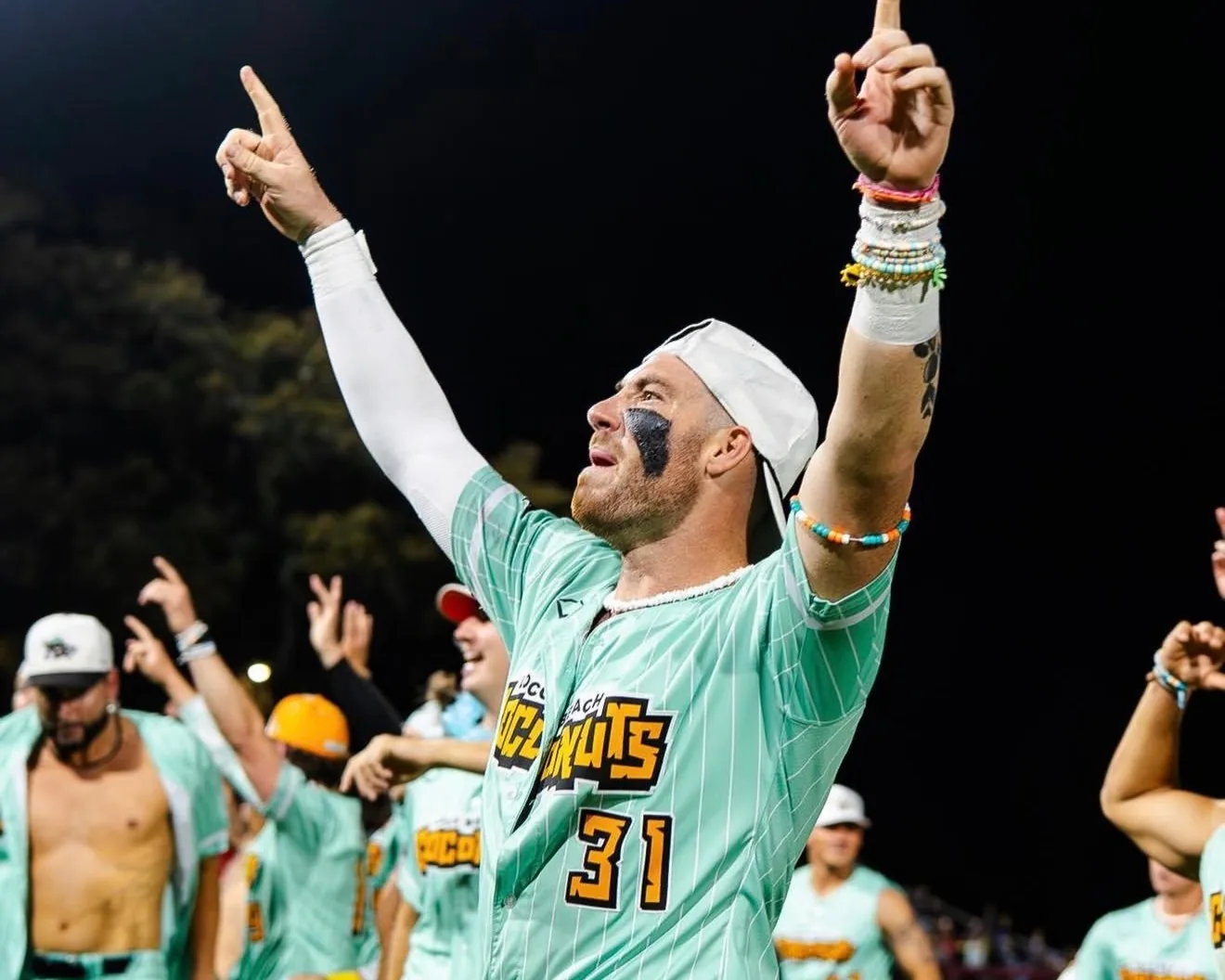
Fresno State's April 2026 profile describes Morgan taking a six-week Visitors contract during 2025, then returning to independent baseball before the inaugural player draft. The Coconuts selected him in November 2025. The sequence is useful because the same career can legitimately include a 2025 development assignment and a place with a club entering the 2026 BBCL.
Those dates should stay attached to the relevant claim. A later photo of Morgan wearing Coconuts colors does not identify the rest of his old development group. An older Visitors table does not establish his current team. When comparing lists, ask whether they describe a training period, draft outcome or subsequent league season before deciding that one must be wrong.
The cover photograph shows Morgan in Coconuts uniform. It illustrates a documented former Visitor's later team identity, rather than presenting him as part of an unverified current Visitors lineup.
Brett Sanchez: developing before the Tailgaters
Belhaven University's March 2026 account follows pitcher Brett Sanchez through a 2025 Visitors season and onward to the Texas Tailgaters. His example adds another route through the developmental environment without implying that everyone had the same contract length, background or selection experience as Morgan.
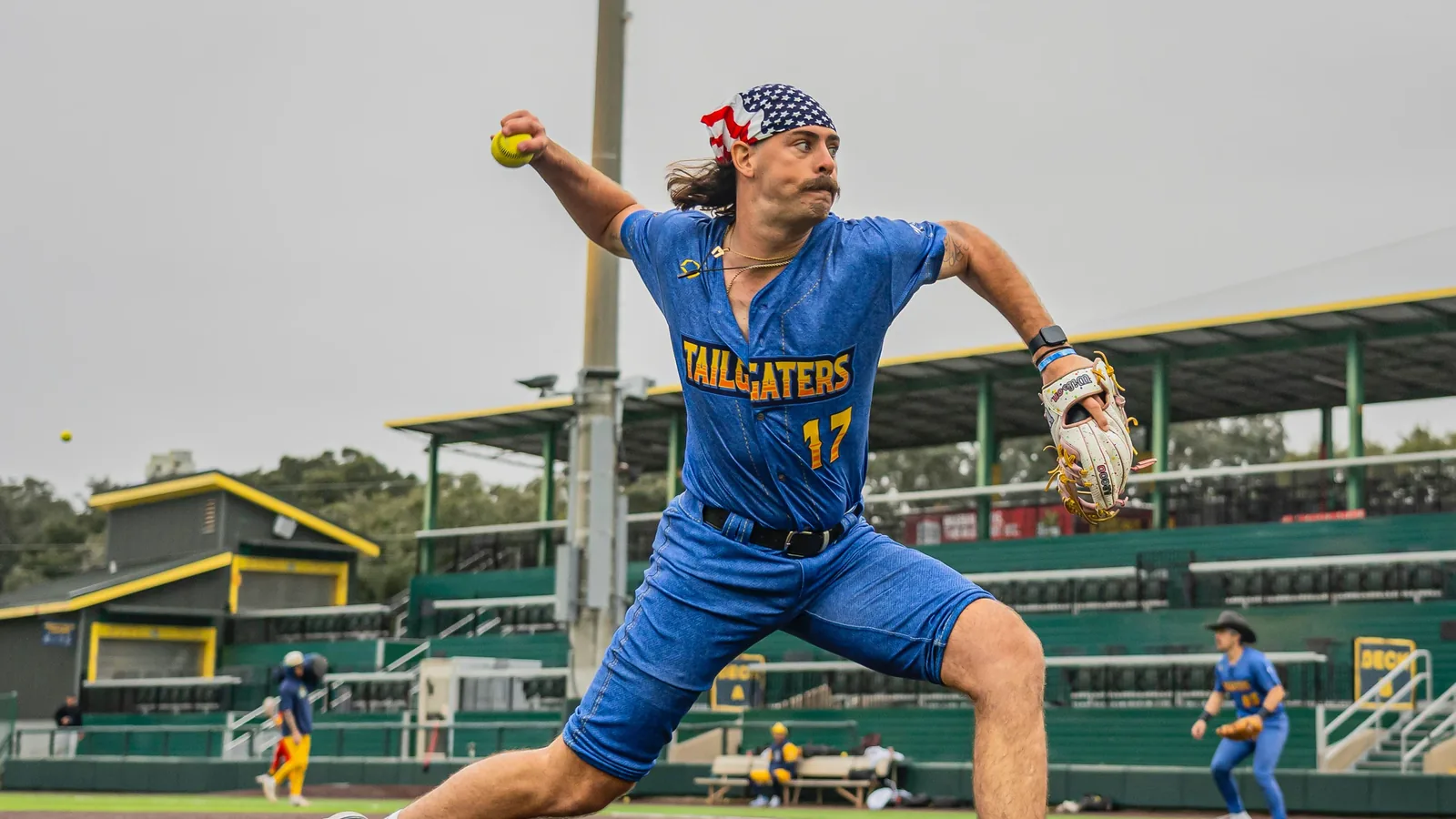
A useful record for Sanchez therefore has separate fields: former Visitors involvement in 2025, the university profile's publication date, and the later club named in that profile. Keep a fourth field for any more recent official team announcement. That small separation prevents a historical training association from being mistaken for an uninterrupted current contract.
Both examples also show why a short list of recognizable names can be helpful without becoming a purported full roster. Use these players as documented alumni whose histories can be traced. A complete list would require evidence for every included name, its season and the list's scope, rather than the assumption that two well-documented stories validate everyone else on a fan graphic.
Why a 2025 list is not a 2026 Visitors roster
As of November 11, 2026, the official directories and player pages checked for this guide do not establish a complete 2026 Visitors roster. That is a limit on the available list, rather than proof that nobody trained with the group that year. It would be equally misleading to recycle a 2025 fan table as a current squad or to declare the program nonexistent because the six-club directory has no Visitors entry.
A roster needs a scope as well as names. Does it cover everyone invited to a training period, everyone who appeared in public games, or everyone subsequently selected by a league club? Those categories can produce different totals. Combining them into one unlabeled count makes a page look more complete while giving the reader less dependable information.
Keep the development year separate from the league season
The official Savannah Bananas roster page already labels its list for 2027. Elsewhere, a team page may show results from the completed 2026 season. Neither feature tells us the year a particular player spent with the Visitors. The year in a page heading, the date of a draft and the season being built can describe different points in the same career.
Before saving a roster screenshot, record four things:
- The year the listed players belonged to the development group.
- The date and publisher of the list.
- Whether it describes training, appearances or a later draft outcome.
- The original announcement supporting any claimed move.
This is particularly useful when an article is updated without changing every sentence. A new publication timestamp cannot turn an old table into a newly announced squad. Likewise, a current club biography may summarize earlier development without attempting to list that entire group. Read the claim next to the name, then choose the source that answers your particular question.
What players develop beyond ordinary baseball
Development in Banana Ball asks a player to connect sound baseball with a much broader presentation. Fielding a ball, delivering a pitch and understanding the next play still matter. The challenge is executing those jobs while adapting to unusual rules, performance cues and direct interaction with spectators.
A trick play is a useful example. Under the official definition, the play has to produce an out. An inventive movement that ends with the ball dropped is not made successful by being entertaining. For a developing fielder, the question is therefore whether the movement can be repeated while preserving control and completing the baseball task. Our trick-play rules guide explains why that distinction affects a game's competitive record.
The rule environment adds decisions as well as choreography. A batter cannot casually step out to reset; a pitcher cannot rely on a conventional mound conference. Players have to understand the next situation and coordinate quickly. Watching how someone recovers after an awkward sequence can tell a fan more about readiness than replaying only his best moment.
University of Richmond's interview with Firefighters pitcher Tyler Rigot describes ordinary baseball practice alongside choreography rehearsal and creating social content. That account illustrates the demands a main-club player faces; it does not make Rigot a documented former Visitor. The distinction matters when using an established player's experience to understand what developmental preparation is meant to address.
For spectators, a productive way to watch is to separate three questions. Was the baseball action completed? Did the player understand the game situation? Did the presentation add something for the crowd while fitting the team? A good answer to one is not automatically a good answer to the others. Looking at all three helps explain why a development opportunity can be valuable to an athlete who already has substantial playing experience.
It also keeps viral popularity in perspective. A memorable clip can introduce a player, but it cannot reveal every part of his practice, communication or performance over time. Development is a chance to put those pieces together in a particular environment, rather than a contest to reproduce one famous person's routine.
How applications, development and the draft differ
For a player interested in this route, the first useful decision is which opportunity he is seeking. Completing a prospective-player form, attending a workout and holding a development assignment are different stages. So are being selected for a club and appearing in its next game. Clear expectations help an applicant prepare for the actual next step.
Application review is separate from an invitation
Banana Ball's current prospective-player page says applications are reviewed and workouts are invite-only. It asks for baseball background as well as personality and special-talent material. The organization therefore wants evidence of sporting ability and the ability to contribute to its presentation, rather than a claim that enthusiasm alone establishes readiness.
An applicant can make that evidence easier to evaluate: identify his actual playing role, use working links, obtain permission from references and describe his experience accurately. A development opportunity should be assessed through the specific invitation and its conditions. The existence of an application form does not establish a place, a payment arrangement or a recurring summer calendar.
Our guide to becoming a Banana Ball player explains the application materials in more detail. Someone seeking an ordinary touring job should instead follow the employment category for that role; working at an event and joining the player-evaluation process are different opportunities.
A draft selection is separate from an appearance
The official announcement dated the 2027 Player Draft to October 28, 2026. The season named in the draft was ahead of its calendar date. That is another reason a development year and a later club season need to be kept separate when tracing a player.
After a selection, the fan's practical question changes from how the player entered the system to which club now lists him. For a particular trip, it changes again: what does the relevant team's current lineup or event announcement establish? A season association alone cannot promise that a named player will appear on a chosen night. Keeping those transitions clear allows supporters to celebrate a development success while making realistic plans.
Can fans watch the Visitors play?
On November 6, WJCL reported plans to bring the Visitors back in 2027, with public games under consideration. That is a meaningful development for supporters who want to follow players beyond the six league squads. It is a plan to watch for, rather than a set of dates that can already be added to a trip.
A possible public game would answer a different question from an ordinary development session. It could give fans an opportunity to see the group together and learn players' styles in context, instead of discovering them only through isolated social posts. Until an event is actually announced, however, it has no dependable ticket, venue or viewing instructions to pass on.
Check the actual matchup before planning a visit
For any future announcement, first look for the participant names. A Savannah Bananas game is not automatically a Visitors game. Nor does an appearance by one former Visitor establish that his old squad is the opponent. The advertised matchup is what distinguishes a developmental showcase, an alumni event and a regular BBCL contest.
Then check the practical fields: date, ballpark, admission route and the event's own broadcast details. A training location cannot supply all of those answers. A ticket for another league fixture cannot be assumed to include a separate session. If an announcement describes a private workout, treat it as that rather than an invitation for spectators.
The Banana Ball schedule is useful for published league games, while the watch guide helps identify the outlet for a listed matchup. Those tools should complement a specific Visitors announcement when one exists. For now, keeping track of the proposed return is more practical than booking around an unannounced public appearance or promising that a particular undrafted player will be involved.
How to follow a former Visitor after a team move
Following an individual is often the most rewarding way into the Visitors story. Begin with the player whose personality or baseball caught your attention, then work toward his later club. The 2026 player directory can help identify names and roles; use the season printed on the page when comparing it with a newer team announcement.
A simple sequence makes that search more productive:
- Save the person's full name, rather than relying only on a nickname or a jersey number.
- Identify the original profile that connects him with the Visitors and note the development year.
- Find the subsequent club announcement or roster for the season you want to follow.
- Choose a game that actually lists that club, then look for the relevant lineup or appearance information.
- Watch a longer game segment to see how his playing and entertainment roles fit together.
The connection can extend to coaching. The official Coconuts biography identifies Mark Crocco as the Visitors' head coach in 2025 before his move to lead the Coconuts. That is a coaching history, separate from Morgan's and Sanchez's player histories. For a fan, it provides another person to recognize and another reason development can influence a club's identity beyond a list of draft picks.
When a player moves, the old affiliation remains part of his background. You can appreciate the development group without expecting its former members to remain teammates forever. Watching them on different sides can make a matchup more interesting: the shared experience explains a relationship, while their present team assignments explain the competition.
For a family choosing its next game, turn that interest into a concrete preference. Decide whether the priority is a particular club, a player whose availability still needs checking or simply experiencing Banana Ball. Those are all valid reasons to attend, but they call for different levels of planning. The Visitors story is most useful when it helps you recognize the people on the field and understand the path they took to get there.
Comments
Comments are reviewed before publication. Spam, personal information and abusive content are not published.
Loading comments…